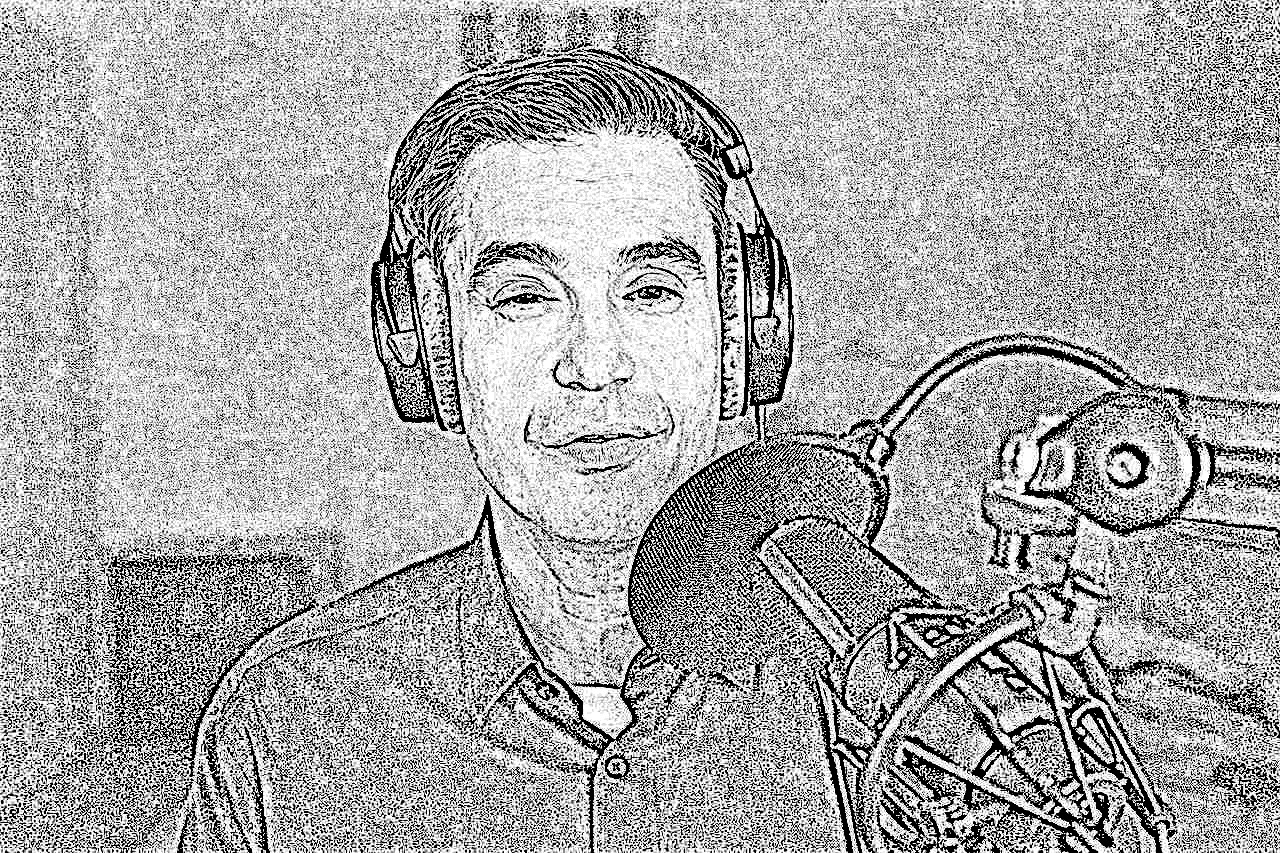
Ejival: Hola Markus, ¿me escuchas?
Markus Popp: Sí, perfecto.
Ejival: Excelente. ¿Cómo estás?
Markus: Muy bien, gracias.
Ejival: Gracias por tomarte el tiempo.
Markus: Claro, es parte de lo que hago. Es como un proyecto continuo: investigación, conversación, conocer gente. Es muchas cosas al mismo tiempo. Es mi forma de mantenerme activo—y cuerdo.
Geopandemia
Ejival:¿Dónde estás ahora?
Markus: Estoy en Berlín.
Ejival: Yo estoy en Tijuana, una ciudad fronteriza con San Diego. Ha sido extraño porque California reaccionó antes a la crisis. Hubo un momento en que San Diego tenía muchos casos y Tijuana ninguno. Se sentía como si la realidad no estuviera del todo clara.
Markus: Creo que esa sensación es global. Es algo invisible pero muy real, casi como un sueño extraño… hasta que vas al supermercado y todo cambia.
Ejival: ¿Te ha cambiado mucho la vida diaria?
Markus: No tanto. Mi vida ya era bastante “en encierro”, siempre trabajando en casa. Incluso ahora soy más productivo. El cambio se nota en cosas pequeñas, como salir.
La práctica de cualquier cosa
Ejival: ¿Cómo funcionan estas sesiones? ¿Son como coaching?
Markus: Pueden ser cualquier cosa. Algunas personas llegan con preguntas o material, otras no. A veces es más como una entrevista: yo hago las preguntas.
En realidad es más una colaboración. Puede ser algo musical, filosófico, práctico. Trabajo con músicos, pero también con pintores, actores, comediantes.
Intento hacer visibles ciertas preguntas clave sobre qué significa ser creativo hoy, especialmente cuando la industria musical, que ya estaba frágil, podría no sobrevivir igual después de esta crisis.
El nuevo rol del artista
Markus: Este puede ser un buen momento para prepararse para un nuevo rol como artista. Ya no basta con hacer buena música.
La música sigue siendo importante, pero ya no es el centro cultural que era antes. Hoy el público quiere más: personalidad, narrativa, conexión.
Hay contenido ilimitado, competencia infinita. Entonces la pregunta ya no es:
“¿qué estamos ofreciendo?” sino “¿quién estamos ofreciendo?”
“Música + X”
Markus: Siempre pregunto: ¿cuál es tu “música + X”?
¿Qué hay más allá de la música?
Puede ser cualquier cosa: escritura, actuación, cerveza artesanal. Ese “extra” amplía el contexto y hace más interesante la propuesta.
Markus: Muchos músicos creen que necesitan trabajar más, producir más. Eso no es cierto. Puedes tener una idea revolucionaria en diez minutos.
Lo importante es tener claridad. Por ejemplo:
“¿Cómo quieres ser recordado?”
La diferencia entre un artista relevante y uno más del montón no es necesariamente el talento, sino la claridad de propósito.
El que escucha manda
Markus: Hay algo difícil de aceptar: el oyente manda.
Lo que creamos es complejo, pero lo que el público recibe puede ser completamente distinto. Esa diferencia es clave.
Hoy la música muchas veces se consume como “estado de ánimo”, como fondo. Eso refleja un cambio: la música ya no es el centro, sino parte de un flujo más amplio de medios.
La especifidad
Ejival: Yo manejo un sello, Static Discos, y todo esto me resuena mucho. El reto es mantenerse relevante en medio de tanto contenido.
Markus: Exacto. Hoy la visibilidad sigue fórmulas—redes sociales, algoritmos—pero eso no necesariamente genera conexión real.
Lo importante es la especificidad: una propuesta clara, única.
Conectar = emoción
Ejival: Para mí, elegir artistas tiene que ver con conectar personalmente con ellos. Entender quiénes son, casi como una relación a largo plazo.
Markus: Tiene sentido. No es solo estrategia, también es emocional.
Ejival: Cuando he ignorado eso y me he guiado solo por la música, ha sido un desastre.
Markus: ¿Qué tipo de desastre?
Ejival: Expectativas desalineadas. El artista quiere fama o reconocimiento, pero no entiende la realidad.
Markus: El sistema antiguo ya no funciona igual. Es como un paisaje de ruinas: puedes fingir que sigue ahí, pero no.
Los ingresos y la atención están fragmentados. El “pastel” se divide en cada vez más partes.
Markus: A veces saco a los artistas del entorno digital y los llevo al mundo físico: eventos, acciones, intervenciones.
Porque las plataformas cambian todo el tiempo. Pero la conexión humana no.
El futuro de la música
Ejival: ¿De verdad crees que la música puede volverse solo un hobby?
Markus: Es posible. Como cocinar o tejer: algo que la gente hace, pero que no necesariamente valora públicamente.
No significa rendirse, sino adaptarse.
Adiós, Popp
Ejival: Esto me ayuda mucho. Es bueno saber que alguien más piensa así.
Markus: Estamos intentando mantener viva la música, desde distintos frentes. No será fácil, pero vale la pena.
Ejival: Ojalá puedas venir a México otra vez.
Markus: Me encantaría. Ya veremos cómo evoluciona todo.
Entrevistador: Gracias por tu tiempo.
Markus: Gracias a ti. Cuídate.
ENGLISH:
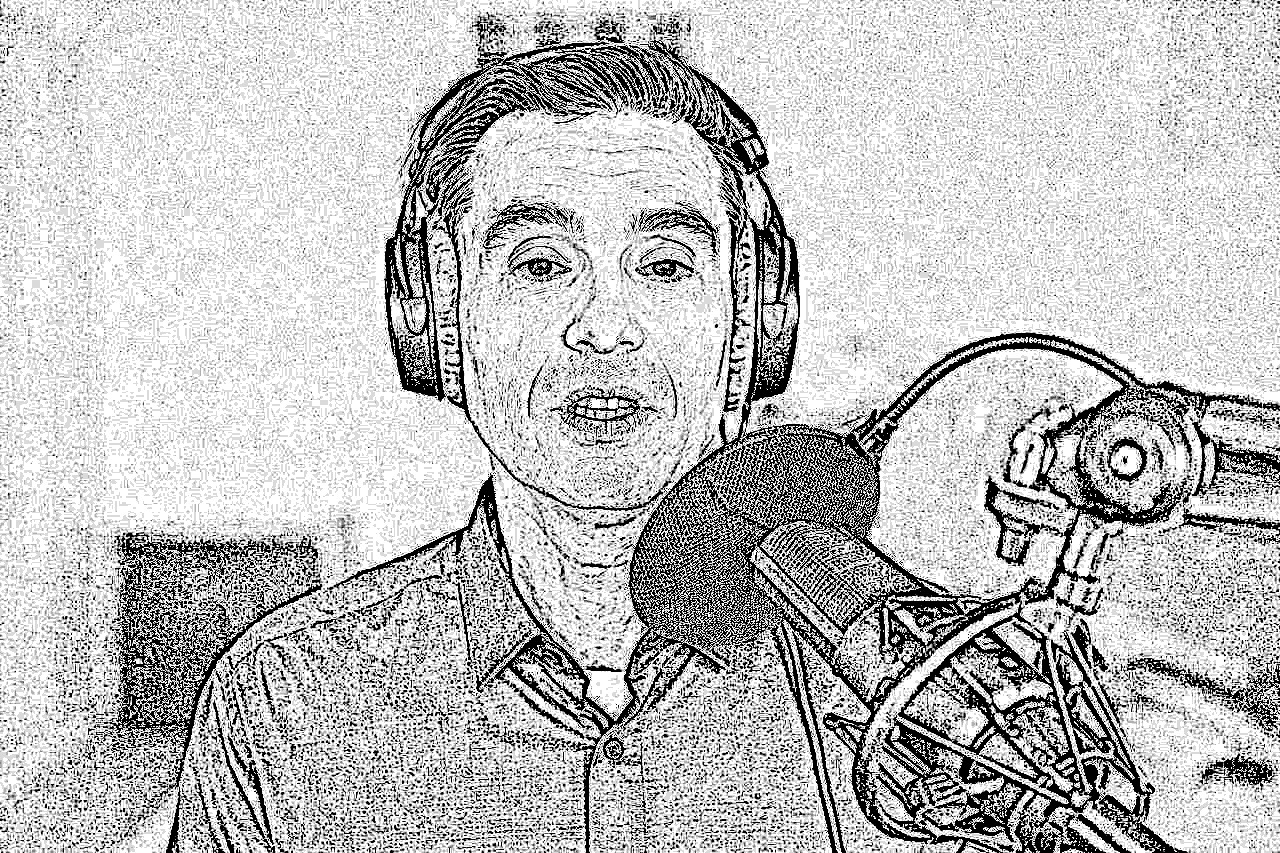
Ejival: Hello Markus, can you hear me?
Markus Popp: Yes, sounds good.
Ejival: Perfect. How are you?
Markus: Very good, thank you.
Ejival: Thanks for taking the time.
Markus: Absolutely—this is what I do. It’s part of a larger project for me: research, conversation, meeting people. It’s many things at once. It’s how I stay engaged—and sane.
GeoPandemic
Ejival: Where are you located right now?
Markus: I’m in Berlin.
Ejival: I’m in Tijuana, a border city next to San Diego. There’s a strange contrast here—California reacted earlier to the crisis, so there was a moment when San Diego had many cases and Tijuana had none. It created a surreal sense that reality wasn’t fully comprehensible.
Markus: I think that feeling is global right now. It’s this invisible thing that’s very real but also feels like a dream—until you go to the supermarket and see how much has changed.
Ejival: Has it changed your daily life much?
Markus: Not dramatically. My life is already quite “locked down”—I work from home. So in a way, I’m even more productive now. The real difference is in small things like going out—those feel altered.
Anything Practice
Ejival: What happens in these sessions you’re doing? Is it like coaching?
Markus: It can be anything. Some people come prepared with questions or material. Others don’t. Sometimes it’s like an interview—I ask them questions.
It’s really a collaboration more than coaching. It can be musical, philosophical, practical—we might even work on prototypes. I work with musicians, but also painters, actors, comedians.
What I try to do is help people reflect on key questions: what it means to be a creative today, especially when the traditional music industry—already fragile—may not survive this crisis in the same form.
The Changing Role of the Artist
Markus: This might be a good moment to prepare for a new role as an artist. It’s no longer enough to just make good music.
Music is still important—but it’s no longer the central cultural force it once was. Today’s audience wants more: personality, narrative, connection.
There’s infinite content and competition. So the key question becomes:
not just “what are we getting?” but “who are we getting?”
“Music + X”
Markus: I often ask artists: what’s your “music + X”?
What do you bring beyond music?
It could be anything—writing, acting, even craft beer. That “X” expands the frame and makes the artist more relatable and distinctive.
Markus: Many musicians think they need to work more, produce more. That’s often wrong. You can have a breakthrough idea in ten minutes.
What matters more is clarity—answering fundamental questions like:
“Who do you want to be remembered as?”
The difference between a truly relevant artist and someone lost in the noise is often not talent—it’s clarity of intent.
The Listener Rules
Markus: One difficult truth: the listener runs the show.
We create something complex, but what the audience takes from it can be very different. That gap is important to understand.
Today, music is often consumed as mood—background to life. That reflects a shift: music is no longer the center, but part of a larger media environment.
Specificity
Ejival: I run a label, Static Discos, and everything you’re saying resonates. The challenge is staying relevant in a sea of content.
Markus: Exactly. Visibility today often follows formulas—social media strategies, algorithms. But those don’t necessarily create meaningful connection.
What matters is specificity. A clear, unique proposition.
Emotional strategies
Ejival: For me, choosing artists is about personal connection. I need to understand who they are—almost like a long-term relationship.
Markus: That makes sense. It’s not just strategic—it’s emotional. That’s often the best foundation.
Ejival: When I’ve ignored that and worked only based on music, it’s usually failed.
Markus: What kind of failure?
Ejival: Misaligned expectations. The artist wants fame, sales, recognition—but doesn’t understand the reality.
Markus: The old system is fading. It’s like a landscape of ruins—you can pretend it’s still functioning, but it isn’t in the same way.
Revenue is fragmented. Attention is fragmented. The “cake” is divided into more and more slices.
Markus: I sometimes push artists away from digital strategies and into the physical world—events, performances, unexpected actions.
Because ultimately, platforms change constantly. But human connection doesn’t.
On the Future of Music
Ejival: Do you really think music risks becoming just a hobby?
Markus: It’s possible. Like cooking or knitting—something people do, but don’t necessarily value publicly.
That doesn’t mean we give up—it means we adapt.
Bye, Popp
Ejival: This helps a lot. It’s reassuring to hear someone else thinking along these lines.
Markus: We’re both trying to keep music alive—just from different angles. It won’t be easy, but it’s worth doing.
Ejival: Hopefully you can come back to Mexico sometime.
Markus: I’d love that. Let’s see how things evolve.
Interviewer: Thanks again for your time.
Markus: Thank you. Take care.